
How to Make Your First $100 Online: 10 Legit Beginner Ways
If you want to learn how to make your first $100 online, the good news is that you do not need experience, a degree, or startup money to do it. You need one legitimate method, a few focused hours, and the patience to finish what most beginners quit halfway through. This guide ranks ten proven beginner methods by how fast they realistically pay, with step-by-step starting instructions, honest earning ranges, and time estimates for each one. Pick one, follow the seven-day plan near the end, and your first $100 stops being a dream and becomes a simple math problem: a handful of small sales, a few short gigs, or one good freelance job.
Table of Content
- Why Your First $100 Matters More Than Your First $1,000
- How These 10 Methods Are Ranked
- Method 1: Sell Things You Already Own
- Method 2: Offer a Simple Service on Fiverr
- Method 3: Freelance Small Jobs on Upwork
- Method 4: Test Websites and Apps for Pay
- Method 5: Tutor or Teach What You Know Online
- Method 6: Sell Print-on-Demand Designs
- Method 7: Sell Digital Products and Printables on Etsy
- Method 8: Do Transcription and Captioning Work
- Method 9: Become a Part-Time Virtual Assistant
- Method 10: Manage Social Media for a Local Business
- Quick Comparison: All 10 Methods at a Glance
- Your First 7 Days: A Simple Action Plan
- What to Avoid: Scams and Beginner Traps
- What to Do When the First $100 Lands
- Frequently Asked Questions
- What is the fastest way to make your first $100 online?
- How long does it take to earn your first $100 online?
- Can you make $100 online with no experience?
- What should a beginner avoid when trying to make money online?
- Conclusion: Small Number, Big Door
Why Your First $100 Matters More Than Your First $1,000
Your first $100 is not really about the money. It is about proof. Until you have earned your first dollar online, every method sounds theoretical, and it is easy to believe the people making money online are somehow different from you. The moment money lands in your account from a stranger on the internet, that belief disappears. You now know the machine works — you just have to turn the handle more times.
There is also a practical reason to focus on $100 instead of a big income goal. A $100 target is small enough to reach with beginner skills, yet large enough that you cannot get there with gimmicks. Survey pennies and click farms will not do it. You will have to offer something real: an item someone wants, a skill someone needs, or time someone values. That is exactly the right lesson to learn first.
Finally, keep expectations honest. Some methods below can produce $100 in a weekend. Others take three or four weeks of steady effort. Earnings figures in this guide are realistic ranges based on typical beginner rates, not guarantees — individual results always vary, as our Disclaimer explains. Anyone who promises you fast, effortless money is selling you something, and usually that something is a course.
How These 10 Methods Are Ranked
Every method on this list is legitimate, free or cheap to start, and open to complete beginners. They are ranked by speed to first payout — how quickly a typical beginner can realistically go from zero to $100 in hand — not by long-term income potential. A method that pays slowly but scales well (like digital products) ranks below a method that pays fast but does not scale (like selling your old phone).
For each method you will get:
- What it is — a plain-English explanation.
- How to start — concrete first steps, not vague advice.
- Time to $100 — a realistic estimate for a beginner who actually does the work.
- Earning range — what beginners typically make per task, sale, or hour.
- Difficulty — rated Easy, Moderate, or Challenging for a total beginner.
If you are completely new to earning online, you may also enjoy our broader guide to 15 legit ways to make money online with no experience, which covers the wider landscape. Here, we stay focused on one finish line: your first hundred dollars.
Method 1: Sell Things You Already Own
What it is: The fastest way to make $100 online for most people is not to earn it — it is to convert things sitting in your closet into cash. Old phones, games, jackets, textbooks, kitchen gadgets, and collectibles sell every day on platforms like eBay, Facebook Marketplace, Mercari, and Poshmark. This is technically “making money online” in its purest form: you list, a buyer pays, you ship or hand it over.
How to start:
- Walk through your home and gather everything you have not used in six months. Electronics, brand-name clothing, and hobby gear sell fastest.
- Check completed listings on eBay to see what each item actually sells for — not what sellers ask, what buyers paid.
- Take bright, honest photos against a plain background. Measure, note flaws, and write clear titles with brand, model, and size.
- Price slightly below the average sold price for a fast sale, or at average if you can wait.
- List on two platforms at once to double your exposure, and remove the listing from the other platform the moment it sells.
Time to $100: 1–4 days if you have a few decent items. Earning range: $10–$150+ per item. Difficulty: Easy.
Method 2: Offer a Simple Service on Fiverr
What it is: Fiverr is a marketplace where freelancers sell packaged services called “gigs” — logo cleanup, resume writing, voiceovers, spreadsheet work, background removal, social media captions, and thousands more. Beginners succeed here by offering one narrow, clearly defined service rather than trying to do everything.
How to start:
- Create a free account and browse gigs in a skill you already have — writing, design basics, data entry, translation, video captions, anything.
- Study the top five sellers: note their titles, prices, and what their gig images promise.
- Create your own gig with a specific promise, such as “I will format and proofread your resume in 24 hours.” Specific beats generic every time.
- Price your first tier at $10–$25 to win early reviews, even if the work is worth more. Reviews are the real currency at the start.
- Deliver early, communicate politely, and ask satisfied buyers to leave a review.
Time to $100: 1–3 weeks, mostly waiting for the first orders; five $20 gigs get you there. Earning range: $10–$50 per gig as a beginner. Difficulty: Easy to Moderate.
Method 3: Freelance Small Jobs on Upwork
What it is: Upwork connects freelancers with clients who post jobs — writing blog posts, entering data, assisting virtually, researching, designing presentations. Unlike Fiverr, you apply to jobs with short proposals. For many beginners this is the fastest way to make $100 online through services, because a single small job can pay $50–$100 by itself.
How to start:
- Build a complete profile: a clear photo, a title that names a result (“Blog Writer for Small Businesses”), and an overview focused on what clients get.
- Filter jobs by “Entry level” and fixed prices of $30–$150. Small, well-defined jobs are beginner territory.
- Write short, personal proposals. Reference the client’s actual project in the first sentence — this alone puts you ahead of copy-paste applicants.
- Bid slightly under your target rate for the first two jobs to secure reviews, then raise your price.
- Deliver on time, every time. On Upwork, your job success score is your reputation, and reputation compounds.
Time to $100: 1–2 weeks if you send a few proposals daily. Earning range: $30–$150 per small job; $15–$30/hour for hourly beginner work. Difficulty: Moderate — proposals take effort, but the payoff per job is higher.

Method 4: Test Websites and Apps for Pay
What it is: Companies pay everyday users to try their websites and apps while speaking their thoughts aloud. Platforms such as UserTesting record your screen and voice as you complete simple tasks, and pay per test. It is one of the few ways to earn your first $100 online as a beginner with literally zero skills beyond using a phone or computer normally.
How to start:
- Sign up on UserTesting and similar panels, then complete the practice test carefully — your rating decides how many paid tests you are offered.
- Keep the dashboard open during the day; tests appear and disappear within minutes.
- Speak continuously and honestly during tests. Testers who narrate clearly get invited to higher-paying live sessions.
- Add other research panels to fill gaps, but treat them as a supplement, not your main plan.
Time to $100: 2–4 weeks, depending on how many tests you qualify for. Earning range: roughly $4–$10 per short recorded test, $30–$60+ for live interview sessions. Difficulty: Easy — the only catch is availability, since you must qualify for each test.
Method 5: Tutor or Teach What You Know Online
What it is: If you are good at a school subject, a language, a musical instrument, or even a video game, someone will pay you to teach it over video call. Platforms like Preply and Wyzant handle the marketing and payments; you bring the knowledge. You do not need a teaching certificate for most subjects — you need competence and patience.
How to start:
- Pick one subject you can explain clearly to a struggling learner. Math, English conversation, and test prep are always in demand.
- Create a profile with a friendly intro video — two minutes of you explaining one small concept works wonders.
- Start at $12–$20 per hour to get your first students and reviews.
- Prepare a simple lesson structure: review, new concept, practice, recap. Students rebook teachers who feel organized.
- Ask happy students to book weekly slots. Recurring students turn a side gig into predictable income.
Time to $100: about 1–2 weeks — five to eight lessons. Earning range: $12–$30/hour for beginners. Difficulty: Moderate — easy if you know the subject, but you must show up on schedule.
Method 6: Sell Print-on-Demand Designs
What it is: Print on demand lets you upload a design — a funny phrase, a simple illustration, a niche hobby slogan — and platforms like Printful, Printify, Teespring, or Amazon Merch print it on shirts, mugs, and hoodies only when someone orders. You never touch inventory and never pay for stock. Your job is ideas plus basic design.
How to start:
- Choose a niche with passionate buyers: professions, hobbies, pets, sports, local pride, or family roles.
- Create simple text-based designs with free tools like Canva. Check trademark databases before using any phrase, team, or brand — this step is not optional.
- Upload 10–20 designs rather than one. Print on demand is a numbers game at the start.
- Write titles and descriptions using the words buyers actually search for.
- Share your designs in relevant communities without spamming, and keep uploading weekly.
Time to $100: 3–8 weeks — this is the slowest method on the list, but it can keep paying while you sleep. Earning range: roughly $3–$10 profit per item sold. Difficulty: Moderate — free to start, but patience is required.
Method 7: Sell Digital Products and Printables on Etsy
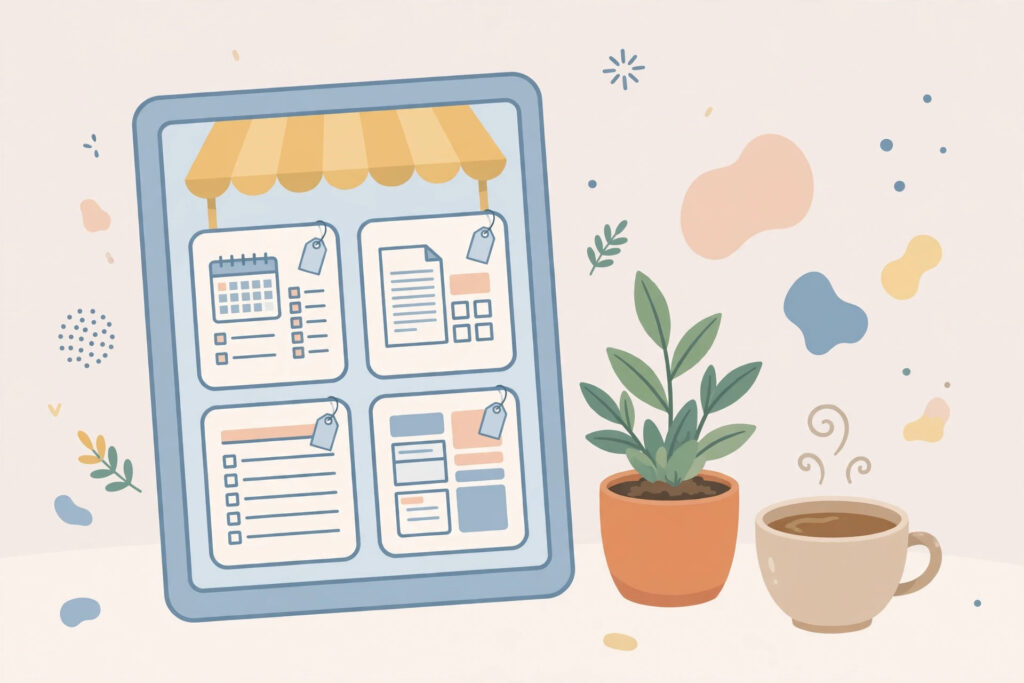
What it is: Etsy is famous for handmade goods, but its digital download section is a beginner goldmine: planners, budgeting spreadsheets, resume templates, party invitations, wall art, study guides, and social media templates. You make the file once and sell it forever, with no shipping and no inventory.
How to start:
- Research what already sells: search Etsy for “printable planner” or “resume template” and note the bestsellers’ prices and styles.
- Make your version with Canva or a similar free tool. Solve one specific problem well — a debt payoff tracker beats a generic notebook.
- Create an attractive listing with mockup images showing the product in use.
- Price between $3 and $15. Low prices plus good search keywords drive your first sales and reviews.
- Add one new product each week. A shop with twenty good products outsells a shop with two perfect ones.
Time to $100: 3–6 weeks typically. Earning range: $3–$15 per sale, pure margin after small listing fees. Difficulty: Moderate. Students often do well with this method because the start-up cost is nearly zero — see our dedicated guide on how to make money online as a student with no investment for more zero-budget ideas.
Method 8: Do Transcription and Captioning Work
What it is: Podcasts, YouTubers, and businesses constantly need audio turned into text. Beginner transcription platforms such as Rev let you claim short files, type what you hear, and get paid per audio minute. It is not glamorous, but it is real work with real pay and no client hunting.
How to start:
- Apply and pass the platform’s short grammar and transcription test — accuracy matters more than speed.
- Use headphones and learn the style guide. Clean formatting means fewer rejected files.
- Start with clear-audio files, even if they pay slightly less. Garbled audio destroys your hourly rate.
- Track your effective hourly pay. Once your speed doubles, your income does too.
Time to $100: 2–3 weeks of regular sessions. Earning range: beginners typically net $6–$12 per hour of work while learning. Difficulty: Easy to Moderate — simple work, but it demands focus and decent typing.
Method 9: Become a Part-Time Virtual Assistant
What it is: Busy people pay virtual assistants (VAs) to handle inboxes, schedule appointments, enter data, format documents, and do online research. If you are organized and reliable, you already have the core skills. Many VA relationships start with a five-hour trial — and five hours at $20 is your first $100.
How to start:
- List the tasks you can do today: email management, calendar booking, spreadsheets, web research, basic Canva graphics.
- Offer a simple starter package: “5 hours of admin help this week” at a beginner rate of $15–$25 per hour.
- Find clients on Upwork, in small-business Facebook groups, or by emailing local businesses whose owners are clearly stretched thin.
- Over-deliver on the trial: finish early, summarize what you did, and suggest the next task. That is how trials become retainers.
Time to $100: 1–2 weeks once you land one client. Earning range: $15–$30/hour. Difficulty: Moderate — the work is easy; winning the first client is the work.
Method 10: Manage Social Media for a Local Business
What it is: Every café, salon, gym, and repair shop knows it should post on social media — and almost none have time. Offer to create and schedule a month of simple posts. Local businesses are easier for beginners to land than online clients because you can walk in, introduce yourself, and show sample work on the spot.
How to start:
- Choose three nearby businesses with quiet or messy social accounts.
- Create five sample posts for one of them using their photos and free design tools.
- Visit or message the owner with the samples and a simple offer: “Twelve posts this month, $100, and you approve everything first.”
- Deliver consistently, save everything in a shared folder, and report simple results (posts published, reach, messages received).
- After the first month, offer a $150–$250 monthly package. One renewal means next month’s $100 is already handled.
Time to $100: 1–3 weeks — potentially a single sale. Earning range: $100–$250 per client per month. Difficulty: Moderate — light salesmanship required, but the value is obvious to owners.
If you are earning from home while caring for kids, several methods above fit around a family schedule; our guide on how a single mom can make money online from home goes deeper on that situation.
Quick Comparison: All 10 Methods at a Glance
- Sell things you own — fastest overall (1–4 days), Easy, one-off income.
- Fiverr services — 1–3 weeks, Easy–Moderate, $10–$50 per gig.
- Upwork jobs — 1–2 weeks, Moderate, $30–$150 per job.
- Website testing — 2–4 weeks, Easy, depends on test availability.
- Online tutoring — 1–2 weeks, Moderate, $12–$30/hour.
- Print on demand — 3–8 weeks, Moderate, $3–$10 per sale, passive later.
- Etsy digital products — 3–6 weeks, Moderate, $3–$15 per sale, passive later.
- Transcription — 2–3 weeks, Easy–Moderate, steady but modest hourly pay.
- Virtual assistant — 1–2 weeks, Moderate, $15–$30/hour, often recurring.
- Local social media management — 1–3 weeks, Moderate, $100+ from one client, often recurring.
There is no single “best” method — there is only the best method for your situation. If you need money this week, sell items and apply for gigs. If you can wait a month, digital products and print on demand build assets that pay you repeatedly. Many beginners combine one fast method with one slow method: the fast one funds your confidence, the slow one builds your future. For more ideas organized by lifestyle and schedule, browse our Make Money Online category.
Your First 7 Days: A Simple Action Plan
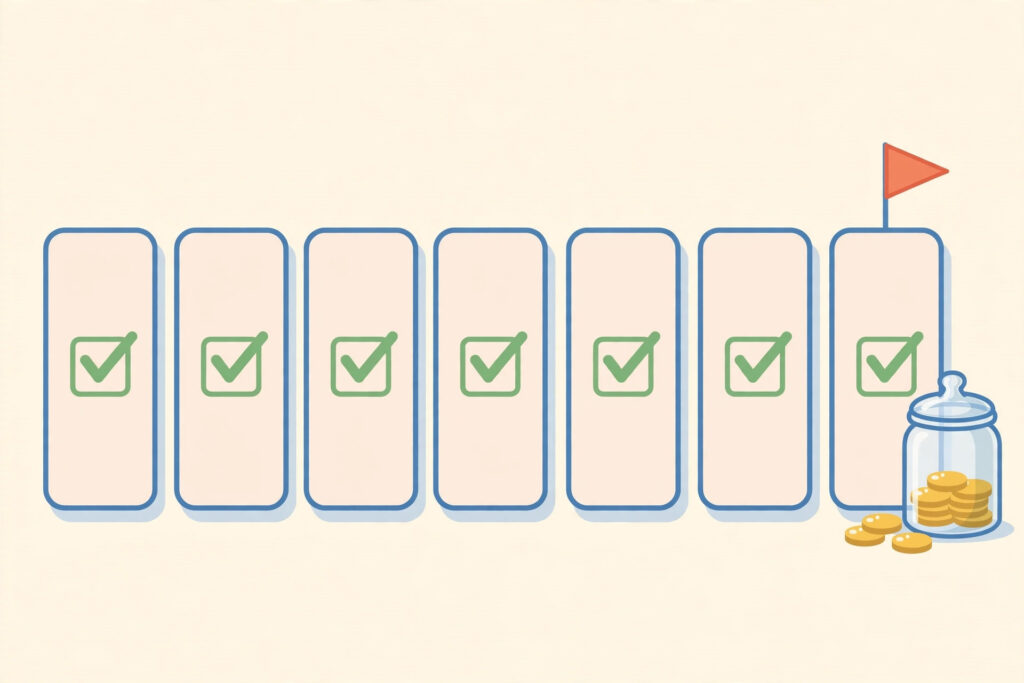
Knowing ten methods is useless without a schedule. Here is a realistic week that combines the fastest methods into one push. Adjust the method, but keep the rhythm: one concrete task per day.
Day 1 — Choose and set up. Pick ONE primary method from the list above. Create your accounts, complete your profile fully, and write down your exact $100 math: how many sales, gigs, or hours does $100 require? Seeing “five gigs” instead of “$100” makes the goal feel physical.
Day 2 — Publish your first offer. List your first items for sale, publish your first Fiverr gig, or send your first three Upwork proposals. Imperfect and live beats perfect and invisible. Nothing can sell before it exists.
Day 3 — Multiply exposure. Add a second platform or a second listing. Repost items, publish a second gig variation, or send three more proposals. Most beginners stop after one attempt; doubling your surface area doubles your luck.
Day 4 — Do the unglamorous task. Improve your photos, rewrite your gig description using words from successful competitors, or practice your skill for one hour. Small quality jumps at this stage produce outsized results because your sample size is still tiny.
Day 5 — Reach out directly. Message a local business, tell friends you are offering a service, or post in a relevant community group (following its rules). Direct outreach is uncomfortable and absurdly effective. One “yes” can finish your $100 by itself.
Day 6 — Deliver or prepare to deliver. If orders or replies came in, over-deliver. If not, create samples: a mock logo set, a sample article, a template pack. Samples are proof, and proof is what converts strangers into buyers.
Day 7 — Review and recommit. Count your progress honestly. $0 after seven days of real effort usually means a weak offer, not a failed method — change the price, the title, or the audience before you change the method. Then schedule next week’s tasks. Momentum, not motivation, is what carries beginners to their first payout.
What to Avoid: Scams and Beginner Traps
The moment you search for how to make money online for the first time, scammers can smell it. Learning to spot traps protects both your wallet and your motivation. The U.S. Federal Trade Commission’s consumer advice site is an excellent free resource for checking common schemes — bookmark it.
Never pay to start a “job.” Legitimate platforms are free to join. If someone asks for a “starter kit,” “training fee,” or “verification deposit” before you can earn, walk away. A related trap: fake check scams, where a “client” overpays you and asks you to forward the difference — the check bounces and you lose real money.
Avoid income screenshots as proof. Sellers of expensive courses display dashboards and luxury photos because lifestyle is easier to fake than a business is to build. Ask instead: what exactly is sold, to whom, and why would they pay? If the answer is “you recruit others to sell the same course,” that is not a business — it is a chain letter with better graphics.
Skip the penny traps. Apps paying a few cents per video or survey are not scams exactly, but they pay so little that your $100 goal becomes a $100-hour project. Your time has a floor value; methods in this guide respect it.
Beware of crypto and trading “mentors.” Anyone guaranteeing returns is lying by definition — real markets do not offer guarantees. Beginners lose money here faster than anywhere else online.
Do not buy five methods at once. The most common beginner failure is not laziness; it is fragmentation. Ten half-started methods earn $0. One finished method earns $100. Depth beats breadth until your first payout is in the bank.
What to Do When the First $100 Lands
Hitting the milestone feels great, but what you do in the following week matters more than the celebration. Follow these four steps to turn a one-time win into a repeatable system.
Withdraw it for real. Move the money from the platform to your bank or payment account as soon as payouts allow. Money that has actually landed in your bank feels different from a dashboard number — it becomes undeniable proof you can show yourself on hard days. It also protects you if a platform account is ever limited or closed.
Write down what worked. Record which method you used, how many hours it took, what you charged, and what the buyer or client said yes to. This little log is your personal playbook. Without it, next month you will be guessing; with it, you know exactly which lever produced money and how hard to pull it again.
Reinvest a slice, not the whole thing. Keep most of your first $100 — you earned it. But consider putting $10–$20 back into the method that worked: a better gig image, a design tool upgrade, a promoted listing, or a domain name for the long term. Small, targeted reinvestment in a proven channel beats spending on five unproven ones.
Raise your price before adding a method. The natural next milestone is not a new method — it is the same method at a better rate. If five $20 gigs got you here, aim for four $25 gigs next. Beginners who raise prices after their first reviews reach their second $100 noticeably faster than beginners who start over somewhere else. Only once the first method runs smoothly should you add a second one alongside it.
Frequently Asked Questions
What is the fastest way to make your first $100 online?
Selling items you already own is usually the fastest route — most people can list a phone, jacket, or game console today and have cash within days. If you would rather sell skills, a single small freelance job on Upwork or one local social media client can pay $100 in one shot within one to two weeks.
How long does it take to earn your first $100 online?
For most beginners who work a little each day, one to four weeks is realistic. Service-based methods (freelancing, tutoring, virtual assistance) typically land in the one-to-three-week range, while product-based methods (print on demand, Etsy downloads) often take three to eight weeks to reach $100 but keep paying afterward with less effort.
Can you make $100 online with no experience?
Yes — that is the entire point of a $100 goal. Selling your own items requires no experience at all, website testing requires only normal computer use, and beginner freelance gigs (proofreading, data entry, simple design) are bought every day from sellers with no portfolio. Experience raises your price later; it is not the entry ticket.
What should a beginner avoid when trying to make money online?
Avoid paying upfront fees to “unlock” work, anyone guaranteeing income, schemes built on recruiting other buyers, and penny-paying apps that value your hour at cents. Also avoid starting five methods at once — pick one, finish the setup, and give it at least two honest weeks before judging it.
Conclusion: Small Number, Big Door
Make your first money online and the internet changes from a place you spend into a place you can earn. The ten methods above are not theories: people with no experience, no audience, and no budget use them every week to reach exactly the milestone in this article’s title. Choose the one that fits your life, follow the seven-day plan, protect yourself from the traps, and stay with it long enough for the math to work. Your first $100 will not make you rich. It will do something better — it will prove you can do this, and every dollar after it gets easier to believe in and easier to earn.
Found this helpful? Share it with a friend who is starting from zero — and when you hit your first $100, come back and tackle the next milestone.